AI video editing used to feel like a side experiment. Someone would upload a clip, try a new style, share the result, and move on. That phase is over. These tools are now close enough to everyday work that marketing teams, creators, agencies, and even internal communications teams are beginning to treat them as part of normal production.
That is useful, but it also makes the conversation more serious.
Tools such as GoEnhance AI show where this category is heading. GoEnhance AI is an online creative platform for AI video and image generation, editing, and visual transformation, built for users who want to turn existing footage or images into more polished creative assets.
That kind of platform can save time, but it also raises a question that companies cannot afford to ignore: who checks whether the output is accurate, permitted, and safe to publish?
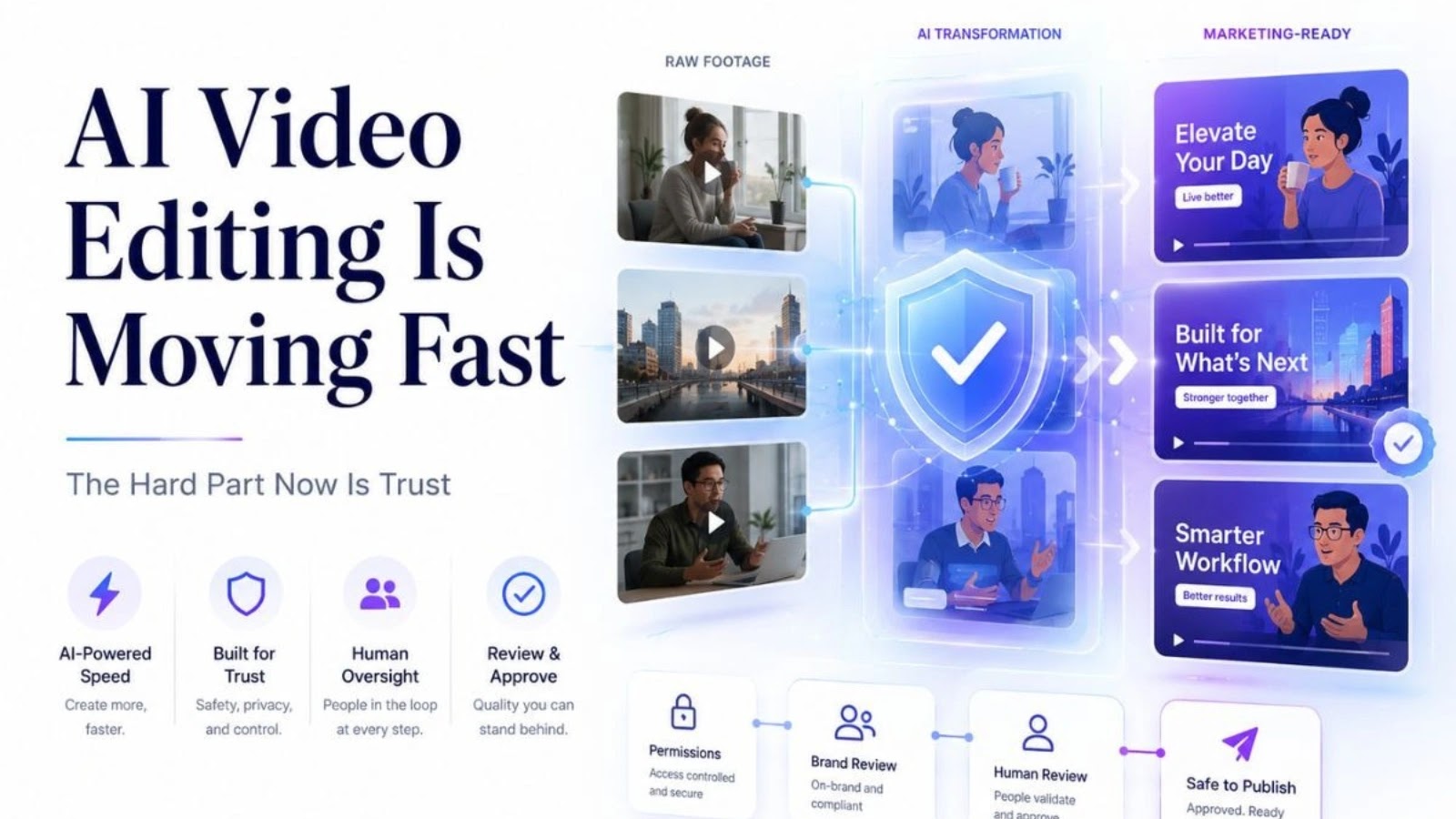
The next stage of AI video editing will not only be judged by visual quality. It will be judged by whether teams can use it without damaging trust.
Why AI Video Editing Is Entering Daily Business Work
Video demand has become difficult to manage. A product team needs demo clips. A founder wants social videos. A sales team asks for short explainers. HR needs onboarding material. The brand team wants campaign variations. None of these requests is unusual, but together they create a workload that many teams cannot handle with traditional production alone.
This is the reason AI video editing has found a practical place. It helps teams work from material they already have: a product clip, a recorded walkthrough, a social video, or a rough phone-shot demo. Instead of waiting for a full edit every time, they can create early versions, test styles, and decide what deserves more production time.
In a real company workflow, that matters. Not every video needs a studio. Some videos only need to be clear, on-brand, and ready fast.
The problem is that speed changes behavior. When making video becomes easier, people upload more footage, test more visual styles, and publish more quickly. Without a review process, small mistakes can become public problems.
Video-to-Video Is Powerful Because It Starts With Real Footage
Video-to-video editing is different from generating a clip from a blank prompt. It begins with an existing video. That makes the result feel more controlled, but it also means the input may include real faces, real locations, internal material, product designs, customer footage, or copyrighted assets.
A video to video generator can help users transform existing footage into a new visual style or creative format. For creative teams, that is valuable. For security and compliance teams, it deserves a closer look.
The source clip still carries its original responsibilities. If a person did not agree to appear in a campaign, changing the video style does not remove the consent issue. If a clip contains private office details, AI editing does not make it safe. If the original footage uses third-party content, a new AI look does not automatically create a clean asset.
This is where companies often make the wrong assumption. They see a transformed video and think of it as new. In practice, it may still depend heavily on the original source.
The Risks Are Not Always Obvious Deepfakes
When people discuss AI video risk, they often jump straight to deepfakes. That is part of the issue, but it is not the whole issue.
Most business problems are quieter. A marketer uploads a customer testimonial clip without checking usage rights. A team restyles an executive video in a way that feels too artificial. A product demo is edited so heavily that it exaggerates what the product can actually do. An internal clip gets used because it looks harmless, even though it shows unreleased work in the background.
These are not dramatic cyber incidents, but they can still damage trust.
| Area of Concern | What Can Happen | Better Practice |
| Identity use | A real person’s face is transformed without clear permission | Use footage only when consent is documented |
| Brand accuracy | Output looks impressive but misrepresents the company | Add brand review before publication |
| Source rights | Old footage or third-party clips are reused without clearance | Keep a simple record of approved assets |
| Confidentiality | Internal footage is uploaded to tools without checking sensitivity | Block private meetings, prototypes, and customer data from upload |
| Viewer trust | The edited clip changes the meaning of the original video | Review whether the final version could mislead viewers |
A good workflow does not need to make people afraid of AI video. It just needs to remove the easy mistakes.
Companies Need Simple Rules Before the Tools Spread
Many teams start with AI tools informally. One person tests a clip. Another person sees it and tries it for a campaign. Soon, the tool is being used across the company with no shared rules.
That is where risk grows.
A useful policy does not have to be long. It should be clear enough that a busy marketing team can follow it without calling legal every five minutes. In most cases, the policy should answer a few direct questions.
What footage is allowed to be uploaded?
Can employees use customer faces?
Who approves videos before they go live?
Should AI-edited videos be labelled in certain contexts?
Are there industries, products, or claims that need extra review?
Where should source files and final outputs be stored?
The best policies are practical. If the rules are too vague, teams ignore them. If they are too strict, people work around them. The goal is not to stop creation. The goal is to keep creative work from turning into a preventable trust issue.
Human Review Is Still the Safety Layer That Matters
AI tools can transform video quickly, but they do not understand a company’s reputation the way a human team does. They do not know whether a customer approved a clip for paid advertising. They do not know whether a product claim has legal approval. They do not know whether a joke fits the brand tone or damages it.
That is why human review still matters.
The review does not need to be complicated for every small asset. A short social clip may only need a quick check for permission, brand fit, and factual accuracy. A campaign video featuring employees or customers needs more care. A video for finance, healthcare, cybersecurity, education, or government should be treated with even more caution.
One practical habit is to review the source and the output together. Looking only at the final video can hide important context. Looking only at the source can miss how the AI version changes tone or meaning.
Trust Will Become a Competitive Advantage
AI video editing will keep improving. The tools will become faster, cheaper, and easier to use. That part is already happening. The harder question is whether companies will build responsible habits at the same speed.
Teams that handle this well will not be the ones that publish the most AI videos. They will be the ones that can move quickly without losing control of identity, permissions, brand accuracy, and viewer trust.
For businesses, that is the real challenge. AI video editing can reduce production friction, but it also pushes companies to become more disciplined about how visual content is made, reviewed, and released.
The technology is moving fast. Trust has to move with it.