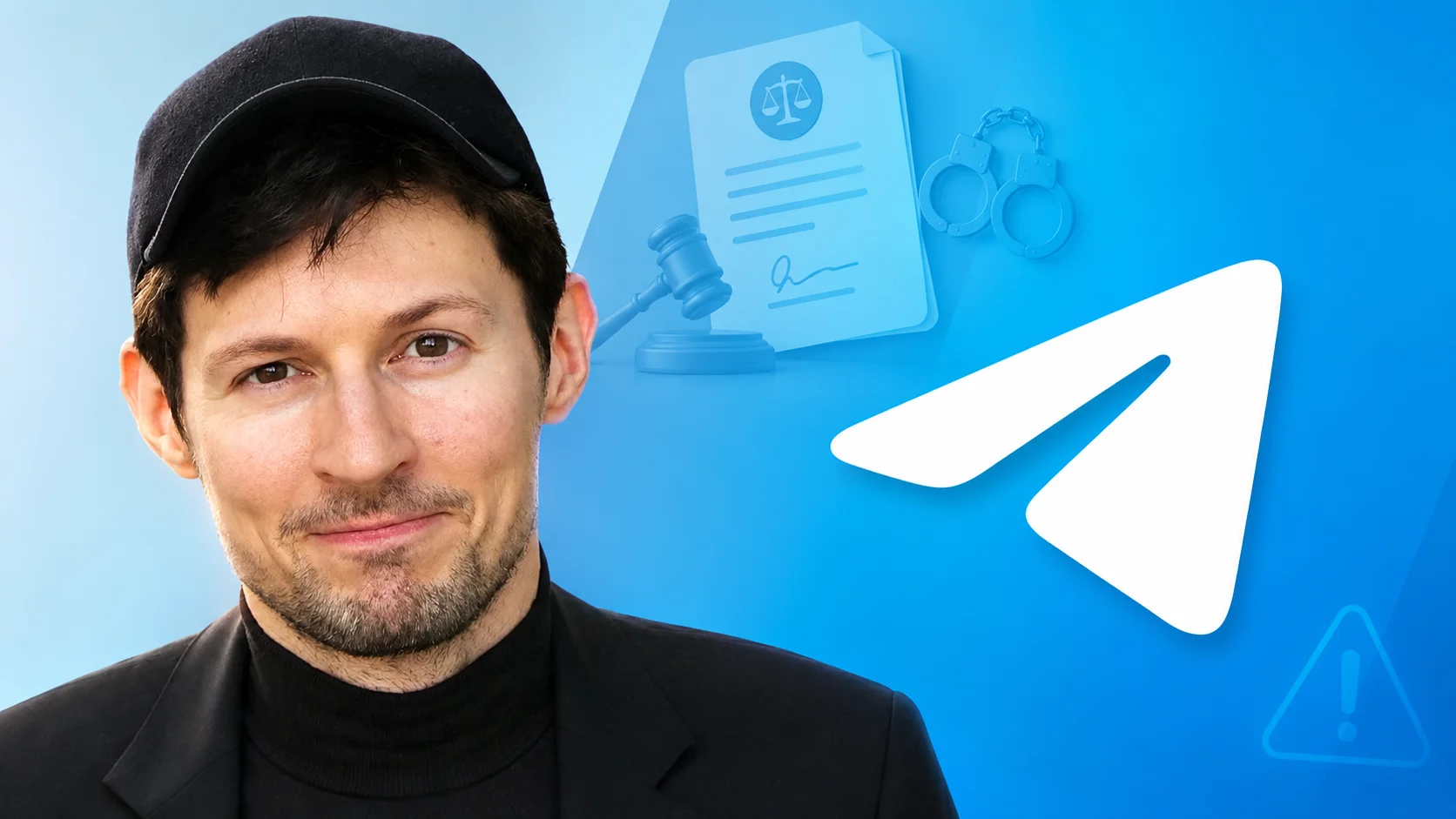
Russia’s Federal Security Service (FSB) has formally charged Telegram founder and CEO Pavel Durov with aiding terrorism and issued a warrant for his arrest, escalating a long-running clash between the Kremlin and one of the world’s most widely used encrypted messaging platforms.
The move, announced on July 29, 2026, centers on allegations that Telegram failed to remove channels, group chats, and automated bots that Russian authorities claim were exploited by Ukrainian intelligence services and extremist actors to coordinate sabotage operations inside Russia.
According to the FSB, the case stems from a February 2026 investigation in which investigators repeatedly demanded that Telegram take down specific content linked to planned and executed attacks on Russian territory.
Officials allege that Durov and Telegram’s moderation teams ignored those lawful takedown requests, allowing the channels and bots to remain active. Under Russian criminal statutes covering assistance to terrorist activity, a conviction could carry a prison sentence of up to 15 years.
The warrant places Durov, who has lived outside Russia for years after leaving the country amid earlier pressure over Telegram’s encryption policies, in a legally precarious position should he travel to any jurisdiction that maintains an extradition relationship with Moscow.
Russia Charges Telegram CEO Pavel Durov
Telegram’s response was characteristically defiant. The company posted a photograph of Durov raising his middle finger, a visual rebuke that quickly circulated across social media and security-industry channels.
The gesture underscored the platform’s longstanding public stance that government content-removal demands often mask broader efforts to weaken end-to-end encryption and compel providers to hand over user data.
Durov has repeatedly framed such requests as attacks on free speech and privacy rather than legitimate counterterrorism measures, a position that has made Telegram both a refuge for dissidents and a frequent target of authoritarian governments.
Independent observers and digital-rights researchers have already raised questions about the strength of the FSB’s public evidence. Some of the screenshots released in connection with the case appear to show interface elements more consistent with Russia’s homegrown VK social network than with Telegram’s current design language, prompting speculation that materials may have been misattributed, poorly redacted, or fabricated.
While those discrepancies do not by themselves disprove the underlying allegations, they reinforce longstanding skepticism about the transparency and reliability of Russian state cybersecurity claims when they intersect with political messaging.
For cybersecurity professionals, the case highlights a recurring tension in platform governance: how encrypted messengers balance user privacy against state demands to disrupt operational security used by both legitimate activists and hostile actors.
Telegram’s relatively light touch on content moderation compared with WhatsApp, Signal, or major social networks has made it a preferred tool for threat actors, ransomware affiliates, and intelligence-linked influence operations, even as the same features protect journalists and civil society.
The FSB’s terrorism framing raises the stakes beyond ordinary content disputes and could encourage other governments to pursue similar criminal theories against executives of privacy-focused services.
As the warrant circulates through international law-enforcement channels, organizations that rely on Telegram for threat-intelligence sharing, incident response coordination, or secure communications will be watching closely.
Any forced compliance regime, infrastructure seizure, or leadership disruption could alter the threat landscape overnight. For now, Telegram shows no sign of yielding, and Durov’s public posture remains one of open defiance toward what he continues to describe as politically motivated pressure dressed up as counterterrorism.