Americans spend an average of $513 every month online, but the real cost isn’t always measured in dollars. Every purchase, subscription, and account created expands your digital footprint, creating new opportunities for cybercriminals to exploit personal information, payment credentials, and online identities.
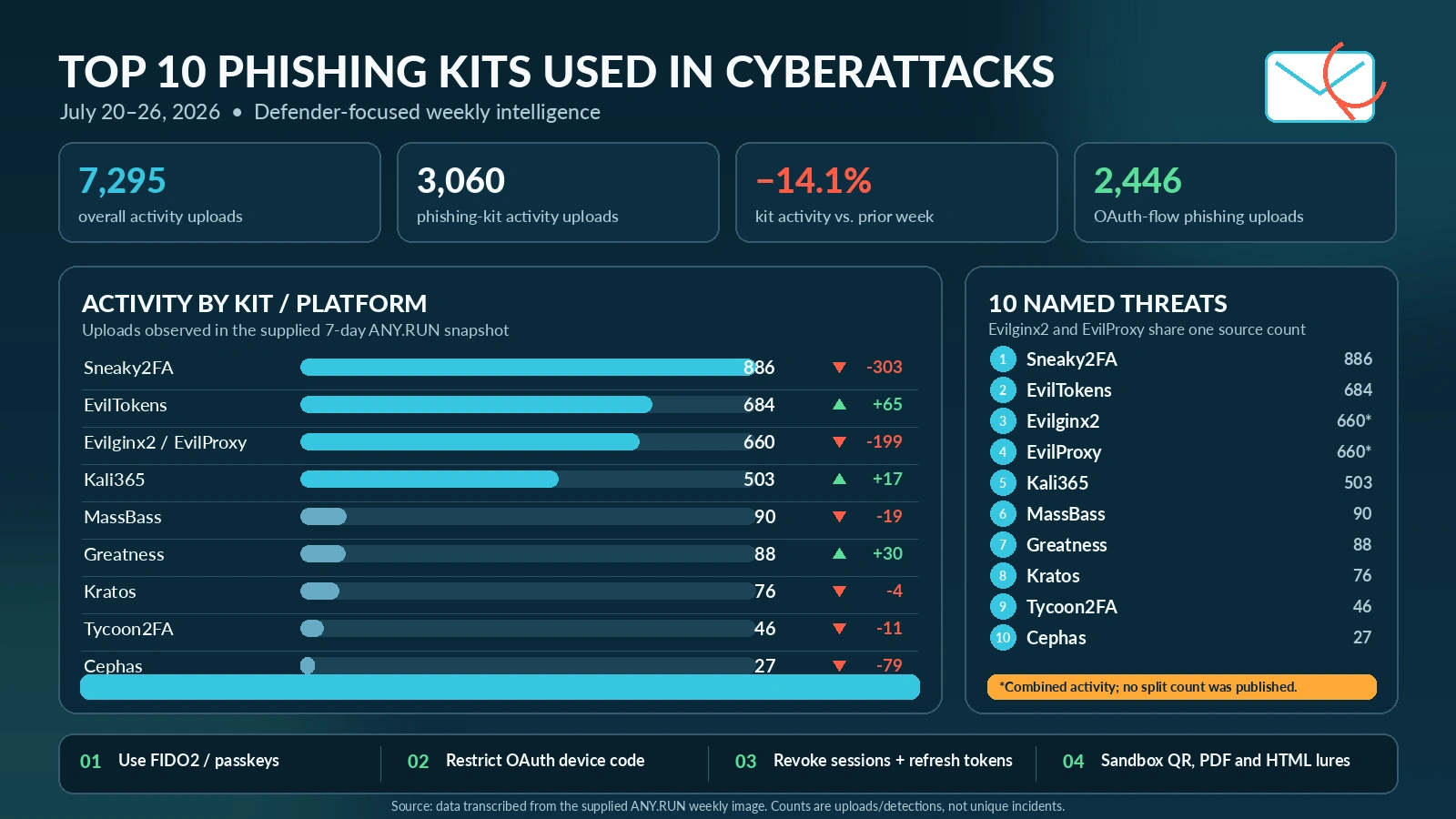
A single click on a fake promotion, a counterfeit product listing, or a fraudulent checkout page can expose far more than your shopping habits. Attackers increasingly rely on phishing campaigns, fake storefronts, malicious advertisements, and compromised payment platforms to steal financial and personal data.
Understanding these risks is essential for protecting both your money and your digital identity.
Every Online Transaction Creates a Security Risk
Much of consumers’ online spending goes toward food delivery, electronics, clothing, subscriptions, and digital services. While these purchases appear routine, every transaction requires sharing personal information such as names, addresses, phone numbers, email accounts, and payment credentials.
The greatest cybersecurity risk isn’t necessarily the purchase itself—it’s the number of online accounts created over time. Many users unknowingly maintain dozens or even hundreds of inactive accounts containing stored payment methods and personally identifiable information (PII), making them attractive targets for cybercriminals following data breaches.
Subscription services introduce another overlooked risk. Forgotten accounts, inactive memberships, and trial services often retain payment information long after users stop using them. If a provider experiences a security incident, stored customer data may become exposed even if the account has been inactive for years.
Regularly reviewing active subscriptions, deleting unused accounts, and removing saved payment methods significantly reduces the amount of personal information available to attackers.
Cybercriminals Exploit Convenience
Cybercriminals understand that convenience often overrides caution. Most online purchases today are completed on smartphones, where users are more likely to ignore browser warnings, overlook suspicious URLs, or approve payments with a single tap.
According to online shopping statistics, mobile commerce now accounts for approximately 60% of global e-commerce sales, making smartphones one of the primary targets for phishing attacks, malicious advertisements, fake checkout pages, and credential theft campaigns.
Attackers commonly impersonate trusted brands by sending fake delivery notifications, order confirmations, invoice emails, or limited-time promotional offers that redirect victims to credential-harvesting websites. Once login credentials are stolen, attackers often attempt credential stuffing attacks against other online services where users may have reused the same password.
Security professionals recommend:
- Using unique passwords for every online account.
- Enabling Multi-Factor Authentication (MFA).
- Avoiding purchases over public Wi-Fi without a trusted VPN.
- Verifying website domains before entering payment information.
- Monitoring financial accounts for unauthorized transactions.
These simple practices significantly reduce exposure to account takeover attacks.
Users should also stay informed about newly disclosed vulnerabilities affecting commonly used software. Trusted resources such as Cyber Security News’ Phishing Coverage, Password Security, and Multi-Factor Authenticationregularly publish technical guidance on emerging cyber threats.
Security teams are encouraged to monitor the CISA Known Exploited Vulnerabilities Catalog:
https://www.cisa.gov/known-exploited-vulnerabilities-catalog
Organizations should also follow the NIST Cybersecurity Framework for implementing industry-recognized cybersecurity best practices:
https://www.nist.gov/cyberframework
Counterfeit Products Often Accompany Cyber Fraud
The rapid growth of Fashion e-commerce has also attracted sophisticated cybercriminals who build fake online stores designed to steal payment information rather than deliver genuine products.
Fraudulent websites frequently copy the branding of legitimate retailers, use stolen product images, and advertise unrealistic discounts to lure victims. Many disappear shortly after collecting payment details, leaving consumers with counterfeit products—or nothing at all.
Even legitimate online marketplaces can expose buyers to fraudulent sellers distributing counterfeit goods, fake tracking numbers, or malicious files disguised as invoices and shipping confirmations.
Before making a purchase, users should:
- Verify the website uses HTTPS encryption.
- Research seller reputation and customer reviews.
- Avoid unrealistic discounts.
- Use payment methods offering fraud protection.
- Never download invoice attachments from unknown sellers.
These precautions help prevent both financial fraud and malware infections.
Behavioral Tracking Fuels Modern Cybercrime
Many users believe abandoning an online shopping cart ends the interaction. In reality, numerous websites continue tracking visitors through cookies, browser fingerprinting, advertising networks, and third-party analytics platforms.
This behavioral data allows advertisers—and, in some cases, cybercriminals operating malicious advertising campaigns—to build detailed user profiles capable of predicting purchasing behavior.
Attackers increasingly abuse legitimate advertising infrastructure by distributing fake advertisements that redirect users to phishing pages, malware downloads, or fraudulent investment platforms.
Reducing exposure involves:
- Clearing browser cookies regularly.
- Blocking third-party trackers.
- Reviewing browser privacy settings.
- Limiting unnecessary permissions.
- Using reputable privacy-focused browsers and extensions.
Protecting browsing activity is an important component of modern cybersecurity.
“Free Shipping” and Fake Promotions Are Common Social Engineering Tactics
Cybercriminals frequently exploit psychological triggers such as urgency, scarcity, and fear of missing out (FOMO). Messages claiming “Limited-Time Offer,” “Only Two Items Left,” or “Exclusive Discount” are commonly used in phishing campaigns and fraudulent advertisements to pressure users into making impulsive decisions.
Attackers also abuse fake shipping notifications, loyalty rewards, coupon codes, and membership renewals to convince victims to reveal payment information or login credentials.
Rather than reacting immediately to promotional emails or advertisements, users should independently visit the retailer’s official website and verify offers before making purchases.
Strengthen Your Overall Digital Security
Cybersecurity experts recommend adopting a layered security strategy to protect both financial information and personal identities.
Some essential best practices include:
- Enable Multi-Factor Authentication (MFA) on every important account.
- Use a reputable password manager to generate unique passwords.
- Keep browsers, operating systems, and applications fully updated.
- Remove unused online accounts and stored payment methods.
- Monitor bank statements for suspicious transactions.
- Use digital wallets or virtual payment cards whenever available.
- Avoid clicking links in unsolicited emails and text messages.
- Review app permissions and browser extensions regularly.
Staying informed about newly discovered vulnerabilities is equally important. Trusted security publications such as Cyber Security News provide ongoing coverage of phishing campaigns, zero-day vulnerabilities, ransomware attacks, and software security updates.
Conclusion
Online spending is no longer just a financial decision—it’s a cybersecurity decision. Every account created, payment processed, and subscription activated increases the amount of personal information circulating across the internet.
By limiting unnecessary data sharing, using strong authentication, monitoring financial accounts, staying informed about emerging cyber threats, and following trusted cybersecurity guidance, individuals can significantly reduce their exposure to identity theft, payment fraud, phishing attacks, and account compromise.
A security-first mindset transforms everyday online activity into a safer digital experience, helping users protect not only their finances but also their personal information in an increasingly connected world.